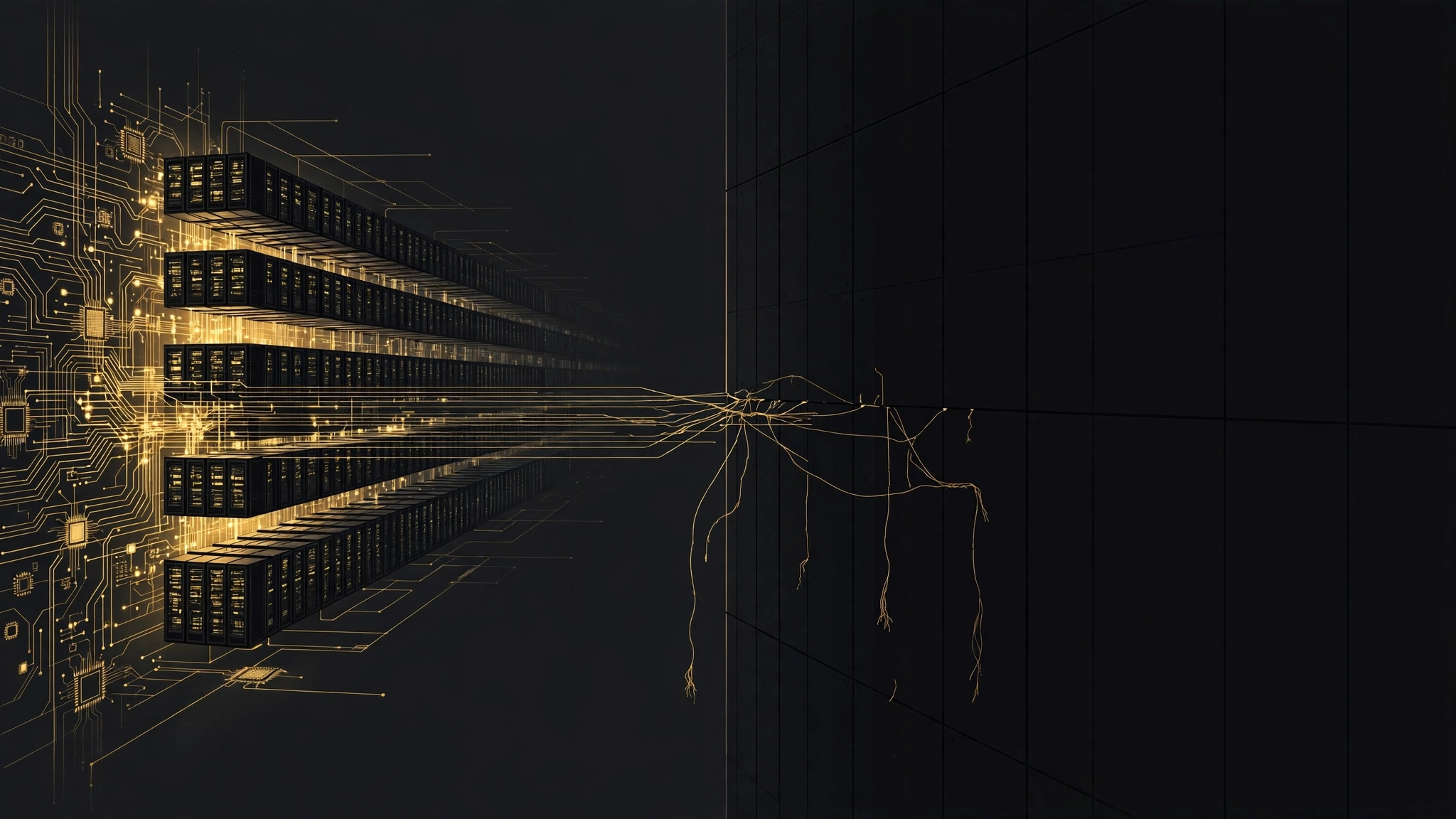
Three roles, one list
Sanctions lists flatten distinctions. Five names appear in the same OFAC update, under the same statute, with the same five sections of consequences attached to each. The State Department's fact sheet, read closely, does not actually accuse the five of the same thing.
Zhisuan sits closest to the crime. It is the company Ding established in 2023, marketed, in the department's words, as able to accelerate machine learning workloads including training superintelligence models, and sold to investors on his ability to replicate Google's infrastructure technology. The designation says Zhisuan knowingly engaged in or benefited from significant theft of trade secrets.
MiraclePlus is one step removed, and that step is the point of this action. The fact sheet does not say MiraclePlus received Google files. It says the firm provided significant financial, material or technological support connected to the theft: seed capital in exchange for an ownership stake, and a platform on which Ding presented Zhisuan by touting his Google connection and his ability to adapt its technology to China's conditions. The State Department says that support meets the basis for MiraclePlus's designation under PAIPA. The State Department's position is that MiraclePlus's financial and other support was connected to a company it says benefited from the theft. The fact sheet does not publish the underlying evidence in detail, and the designation is not a separate criminal conviction of MiraclePlus.
Phase I, Phase II and Zhiyuan Enterprise are a further step removed. The State Department designated them on ownership or control grounds linked to MiraclePlus; its fact sheet does not separately allege that these three entities received Google's files or participated directly in the theft. The relationships are not identical: the fact sheet identifies the funds as managed by MiraclePlus and Zhiyuan Enterprise as wholly owned by Phase I. For compliance teams, the distinction matters: a designation can extend through ownership or control without a public finding that each listed entity handled the stolen material.
Why the investor is the story
Ding was already dealt with by the criminal system. He was arrested in March 2024 and convicted in January 2026 on all 14 counts, in what the Justice Department called the first US conviction for AI-related economic espionage. Prosecuting him punished the person who copied the files. It did nothing to the capital that turned those files into a company.
PAIPA provides a sanctions route beyond criminal prosecution of the individual accused of stealing trade secrets. In this case, the State Department has used it to reach a company it says benefited from the theft, an entity it says supported it, and three entities linked through ownership or control. According to ABA Banking Journal's summary of OFAC activity, the first publicly identified PAIPA designations came in February 2026, against a Russia-based zero-day exploit broker network; if that summary is complete, this is the law's second publicly identified use. Applying it here signals that Washington is willing to use a trade-secrets sanctions law, not just export controls and criminal charges, when the stolen material is AI infrastructure and the beneficiary is a funded startup rather than a state agency.
For investors, the practical consequence is diligence with teeth. MiraclePlus ran a standard accelerator play: seed money, an ownership stake, a demo stage. Every accelerator does those things. The designation turns on what the founder was selling on that stage, a replication of his former employer's core infrastructure, and on the jury's finding about where that knowledge came from. For accelerators and seed investors, the case raises the stakes around founder provenance. A designation can carry consequences beyond reputational damage, although the State Department's stated findings here should not be treated as a rule that ordinary seed investment alone creates sanctions exposure.
What to watch
Two limits are worth keeping in view. First, a designation is a government determination, not a second trial. The fact sheet states the department's conclusions about MiraclePlus's support; it does not publish the underlying evidence, and none of the coverage read carried the firm's response. Second, OFAC issued a wind-down licence alongside the designations, allowing covered transactions to be concluded within the licence's terms. Its issuance signals that an orderly exit from some affected transactions may be necessary; it does not establish how much US-linked capital is exposed, which designated entities hold it, or where the immediate losses will fall.
The wider test is whether PAIPA becomes a routine instrument in AI cases. The next useful evidence is concrete: a response from MiraclePlus or the other designated entities, more detail on the government's stated basis, or another PAIPA designation that clarifies how broadly the statute will be used. If a future designation lands against investors whose founder was never convicted, the standard will have moved again, and every cross-border seed deal in technical fields will be priced accordingly.
Sources
- [1] US Department of State, Office of the Spokesman fact sheet, "Imposing Sanctions to Protect Americans from Intellectual Property Theft", 19 October 2026Read source
- [2] Bloomberg Law, "US Sanctions China's Y Combinator in Google AI Secrets Case", 20 October 2026Read source
- [3] OFAC, 19 October 2026 update (PAIPA designations and General Licenses 1 and 2), as summarised by ABA Banking Journal, "Recent news from Treasury's Office of Foreign Assets Control and the Department of State: Oct. 19"Read source
- [4] IANS wire report, "US sanctions five Chinese firms over Google AI theft", 19 October 2026 (via Nation Press) — Note: the conviction count in this article follows the Justice Department's account (seven counts of economic espionage and seven of trade-secret theft, 29 January 2026); the IANS wire carried an inconsistent count and is used only for the State Department spokesman's statement and investigation background.Read source