The booking is real. The scale is one rack at a time.
Google's October work put TPUs in orbit for a durability test and, later that month, returned a first in-orbit AI answer, as ALFW reported at the time. On November 19 came the next step on paper: a launch services agreement. Blue Origin's New Glenn will carry Project Suncatcher satellites into sun-synchronous orbit, with the launch targeted for the first quarter of 2029.
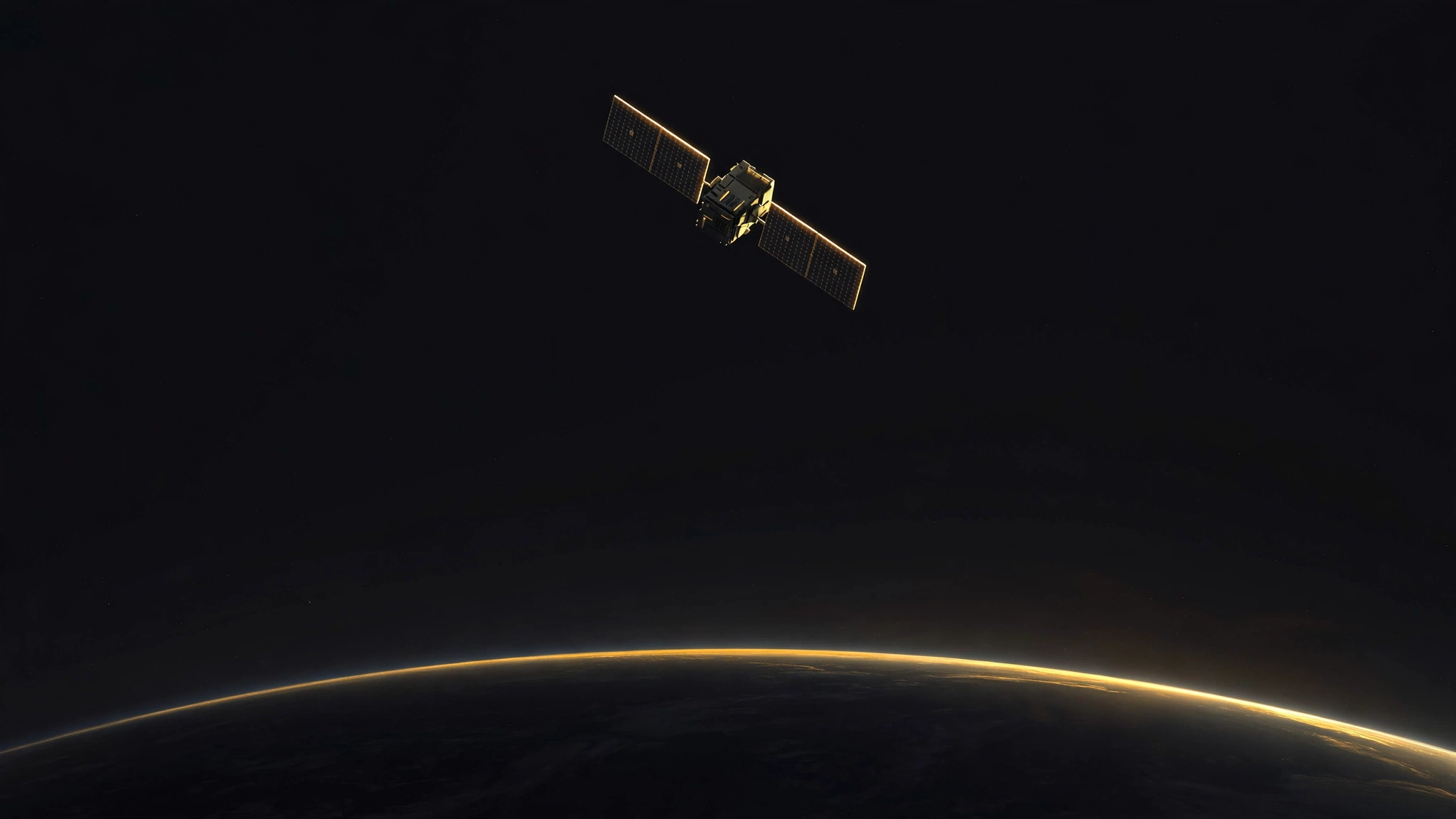
Read the unit both announcements chose. Each satellite, Google says, has "roughly the capacity of a data center rack." Blue Origin's release uses the same scale: computing capacity "at roughly the scale of a data center rack," which the mission is designed to deploy. A rack is a real and useful unit of compute. Neither announcement defines the comparison in performance terms, and neither says how many satellites this launch will carry, so there is no disclosed way to calculate the mission's aggregate computing capacity. The agreement moves Suncatcher from rideshare prototypes to a dedicated launch of its own. It does not put a number on the constellation.
What the two announcements do not contain
The omissions are consistent across both documents, which is itself information. No satellite count. No contract value. No TPU generation named. No date for anything after the launch itself, and no statement of what workload the 2029 satellites are expected to run. Google's post is three short paragraphs; Blue Origin's is shorter. Both describe Suncatcher as research: Google calls it a "long-term moonshot," and Blue Origin calls the launch "a milestone in Google's research to scale machine learning compute in space."
At the disclosed scale, "AI data centers in space" is a description of the ambition, not of what was announced. What was announced is narrower: the research program now has a named launch provider, a vehicle class, and a target quarter, a little over two years out. For Blue Origin, the agreement is also a heavy-lift customer with a name the market knows, on a vehicle still building its launch cadence. Reuters noted the mission gives New Glenn a major future booking as the company expands its launch business.
How to read the 2029 date
A Q1 2029 target set in November 2026 is a plan, and neither announcement discloses payment terms or a firm launch date. Neither states a backup vehicle or a second launch. The practical test between now and then is not the launch. It is whether Google publishes the intermediate numbers it has so far kept out of these announcements: how many satellites, at what power and thermal budget, linked at what bandwidth. The October prototype work addressed the durability question at the scale of individual TPUs. The arithmetic question, how many racks and at what cost per rack compared with building on the ground, remains entirely open, and it is the question the project will eventually be judged on.
Sources
- [1] Google, "Google partners with Blue Origin on Project Suncatcher heavy-lift launch," Travis Beals, November 19, 2026Read source
- [2] Blue Origin, "Google Selects Blue Origin's New Glenn for Project Suncatcher," news release, updated November 19, 2026Read source
- [3] Reuters, "Google picks Bezos' Blue Origin to launch AI computing satellites in 2029," November 19, 2026 (syndicated account; used only for the prototype's SpaceX/Planet Labs background and the New Glenn business context)