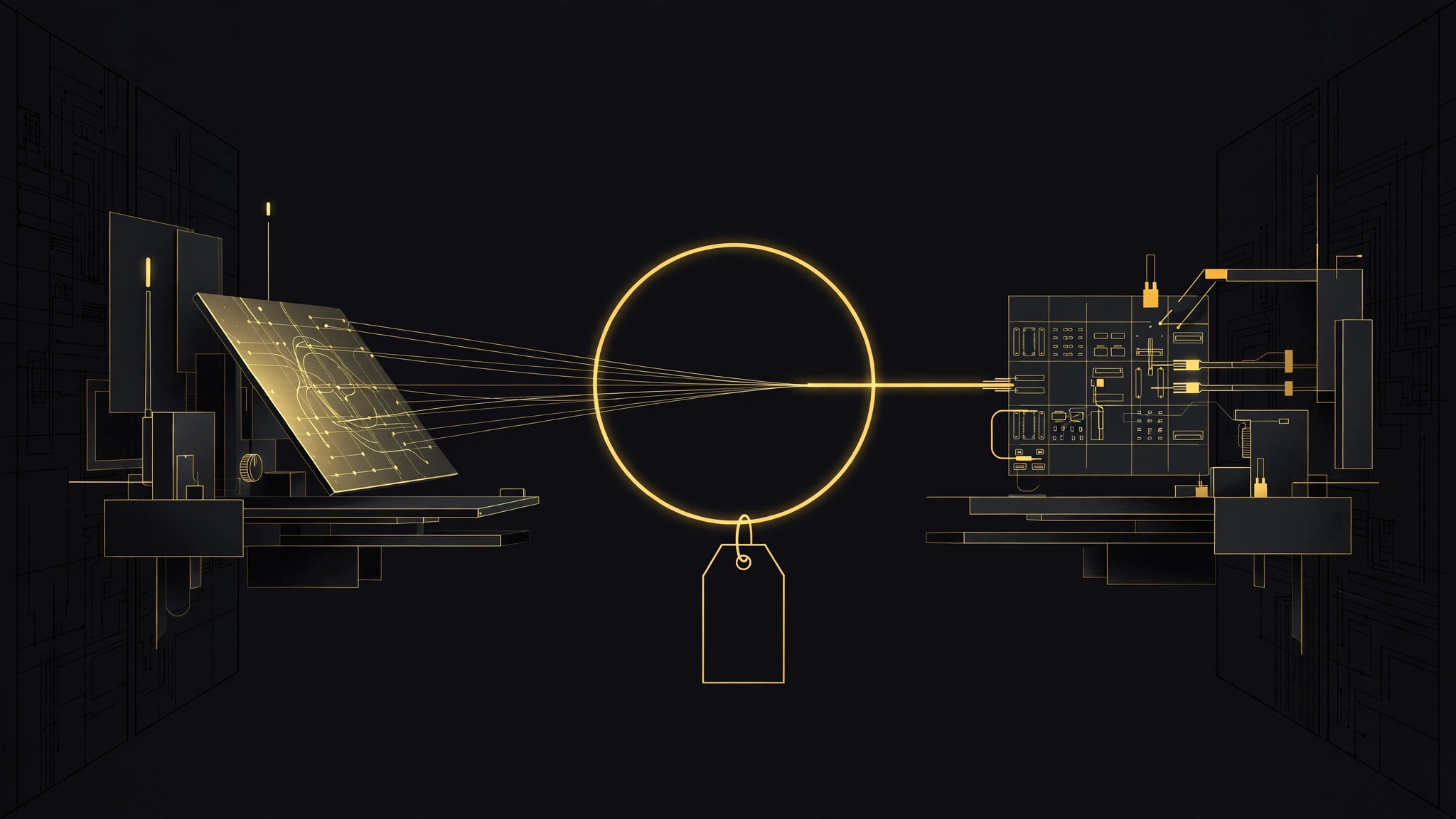
Two products, one loop
OpenAI's pitch on November 12 was a loop. Daybreak Red Team finds out whether a flaw can actually be exploited. Daybreak Defense Factory then works the resulting backlog: agents trace a vulnerability through the code, draft a patch, and hand it to an engineer, who reviews and tests it before anything merges. Nancy Wang, who leads cyber-applied AI at OpenAI, described the output as "a merge-ready pull request with the patch and a test that shows that it works," as reported by The Register.
OpenAI documents the intended workflow and controls. Its Red Team page says operators control assessment scope, with isolated environments and Guardian review limiting which apps and endpoints agents can reach, and that findings can be retested after a patch. Its Defense Factory page says findings can arrive from existing security tools and from Red Team itself, and that engineers can work on a fix directly with Codex while agents continue in the background. The developer guide adds the unglamorous details: install the Defense Factory plugin, connect a GitHub repository, choose a one-off repository scan or ongoing commit monitoring. The guide warns that a scan of a larger repository may take several hours.
Read the names carefully
This launch is easy to misread, because OpenAI already uses a similar name for an access tier. Daybreak Red is that tier, listed on the Daybreak program page, for approved practitioners doing advanced vulnerability research and controlled exploit validation with OpenAI's cyber models. Daybreak Red Team is the new product: an early-access service that runs a coordinated agent team against your web apps. A buyer who thinks they have been approved for one has not necessarily been approved for the other, and OpenAI's own pages do not spell out how approval for the tier and application for the product interact.
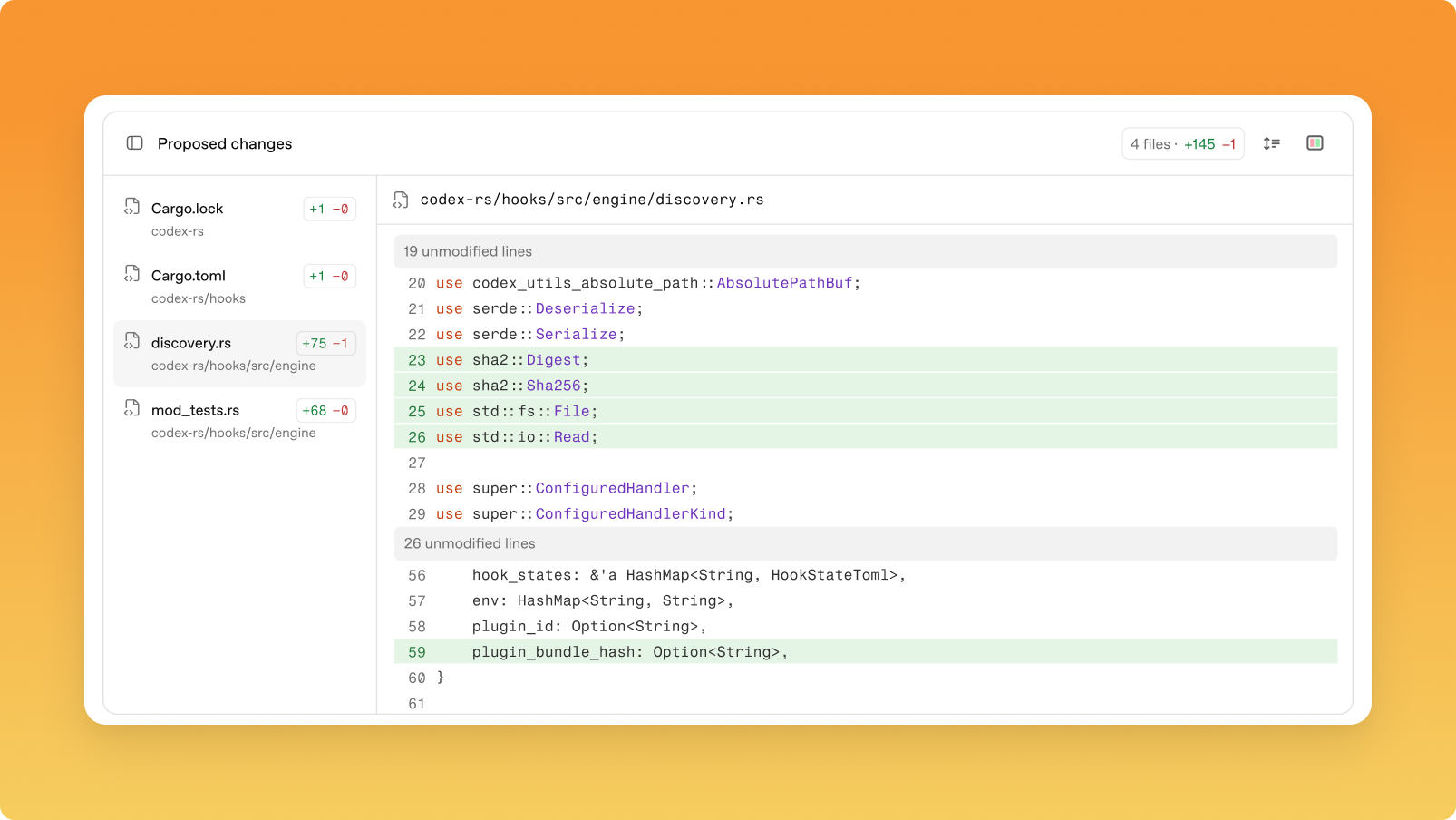
Defense Factory carries a similar caveat in the other direction. OpenAI has described a "Defense Factory" before as an operating model, an agent-first way of organizing continuous finding, validating and fixing. What changed on November 12 is the product surface: that model is now a named, installable plugin workflow in Codex, listed in OpenAI's own documentation as a preview. That is a real step. It is not general availability.
The claim doing the selling
President Greg Brockman gave the keynote its headline line, as reported by The Register: "We're now at a point where companies will be secure only to the extent of the frontier model that they use to defend themselves and how well they utilize that." Read that as a sales claim, because that is what it is. It makes security a function of which frontier model you rent, and OpenAI rents one.
The official pages, developer guide and launch reports reviewed provide no product-specific performance figures with which to assess that claim. There is no price to compare against a human pen-test firm or a rival scanner. There is no published rate for how often Red Team's validated findings hold up, how often Defense Factory's patches pass review, or how the pair performed on any shared test. OpenAI's developer guide cites an earlier figure for a different surface, Codex Security Cloud having analyzed more than 30 million commits across more than 30,000 codebases. That is a volume figure for a related product, not a result for these two, and this article does not borrow it as one.
What a buyer can actually do today
A security team can apply for Red Team early access, join the waitlist described in launch reporting, and connect a repository to Defense Factory through the Codex plugin if its workspace has access. That is the whole offer as documented on November 12: two gated or preview products, human review kept in the loop by design, and a set of scope controls that matter more than the keynote language. Operator-set scope and isolation are important controls, but their presence alone does not establish the service's safety. Ask for pricing, eligibility and evaluation terms, then test findings and proposed patches against your own review process.
Sources
- [1] OpenAI, "Daybreak Red Team | AI Penetration Testing" (official product page; early access, scope and Guardian review, vulnerability validation, patch retesting)Read source
- [2] OpenAI, "Daybreak Defense Factory | AI Vulnerability Remediation" (official product page; patches for review before merge, findings from existing tools and Red Team, continuous scanning; mid-article image source)Read source
- [3] OpenAI, "Daybreak | OpenAI for cybersecurity" (official program page; Daybreak Blue and Daybreak Red access tiers, as distinct from the Red Team product)Read source
- [4] OpenAI, "The Defense Factory" (earlier account of Defense Factory as a continuous, agent-first operating model)Read source
- [5] OpenAI Developers, "Scaling cyber defenders with Daybreak" (official developer guide; Defense Factory listed as "(Preview)" and "available in research preview", plugin install and GitHub connection, scan may take several hours for a larger repository, Codex Security Cloud volume figure for a related surface)Read source
- [6] The Register, "OpenAI launches security products, tells orgs they're doomed if they don't use them", November 12, 2026, 20:48 UTC (Brockman and Wang quotes, GPT-6 Cyber as the current model, engineers review before production)Read source
- [7] The Deep View, "OpenAI sees a new enterprise frontier in cyber", November 12, 2026, 19:00 UTC (keynote and press briefing detail, agent roles in Red Team, no pricing offered, Red Team early access with waitlist, Defense Factory available through the Daybreak plugin in Codex)Read source