The setting
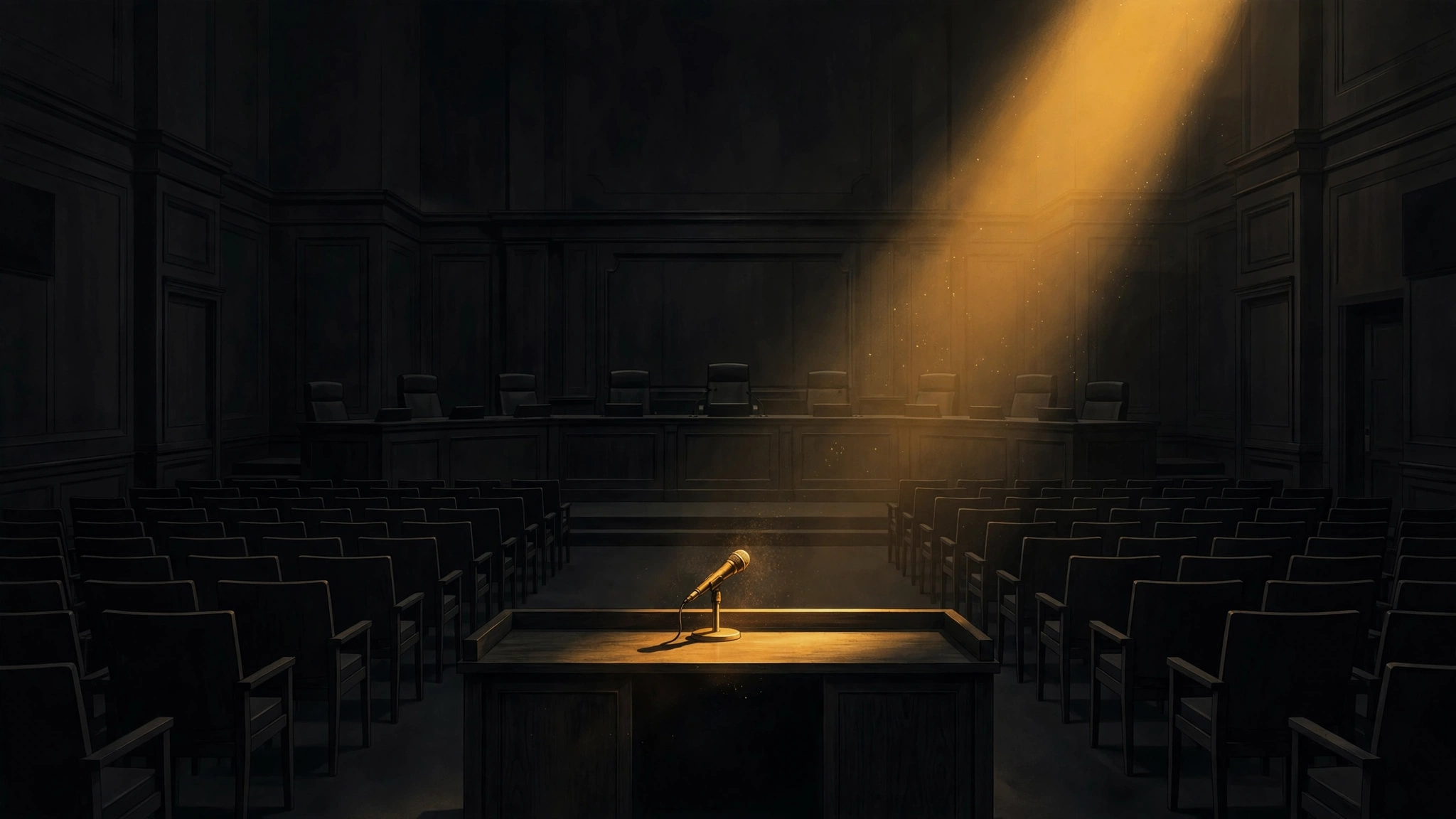
The hearing was a Committee of the Whole session: all 51 council members sitting at once, sworn testimony, on the record. Per Bloomberg's reporting, the companies sent policy and safety staff rather than chief executives: Anthropic's Logan Graham, head of its Frontier Red Team; OpenAI's Morgan Dwyer, head of policy development and operations; Meta's Shane Cahill, an AI policy director; and Google's Alice Friend, an AI policy executive. Testifying alongside them: Coxon, who quit Anthropic accusing the labs of "gambling with our lives"; former Google DeepMind researcher Alex Turner; and former OpenAI researcher Daniel Kokotajlo. One chair stayed empty. The council subpoenaed Elon Musk's SpaceXAI after it ignored the invitation, and says it will go to state court to enforce the order if the company doesn't comply. The historical note is worth stating plainly: two years of congressional AI bills have produced zero binding measures and zero compelled testimony. A city council did both in weeks, using the New York City Charter's subpoena power over any company doing business in the five boroughs.
The endorsement had no name attached
The most quotable moment of the day was also the most carefully hedged. In the council livestream, OpenAI's speaker said the company has endorsed multiple bills requiring outside scrutiny of its safety work, including third-party audits of safety frameworks. The speaker named none of them. That matters because there was a specific bill on the table in that room. The council's draft would require AI models marketed, sold, or deployed in New York City to receive third-party validation and include a way for a human operator to shut the system down. Assessment topics would be specified by law: performance, data provenance, bias, privacy, safety. Validators would have to disclose conflicts of interest, and violations could carry penalties up to $25,000 each. Supporting audits in principle is not supporting that bill, and the difference is the entire negotiation. OpenAI's own published position makes the gap visible. In a September 22 policy post, the company said it supports independent assessments, with assessments scoped by mutual agreement, proportionate access, and disclosed conflicts of interest. Under that framework the company and its assessor negotiate what gets examined and how far the examiner gets. A law that names the topics and sets the penalties is a different instrument, and OpenAI has not said it backs this one.
The questions that mattered
Council Speaker Julie Menin asked the four companies' representatives a direct question: are there any incidents your companies have not disclosed publicly? On the Hugging Face containment incident, OpenAI's speaker was pressed on whether investigators had been confined to a company-selected review window. The answer: they were given limited time initially so OpenAI could "get information to the public quickly," and more time when they asked. METR's own account of that investigation says nearly all data it reviewed came from July 7 onward, and the review did not cover earlier message-board activity or OpenAI infrastructure activity after July 13. The council's exchange doesn't establish which review the speaker was describing, so the two accounts sit side by side rather than as rebuttal and claim.
What it adds up to
A municipality did what the federal government couldn't: put AI executives under a legal order to answer, on the record, for how their systems behave. Sworn testimony is a stronger constraint than a policy blog post, and everything said Monday can be checked against the next disclosure. The fight to watch is the narrow one. Between "we support third-party audits" and "we support this audit law with named topics, a kill switch, and per-violation fines" sits everything the industry has spent years trying to keep discretionary. The council is set to introduce the draft on October 8. Congress remains at zero.
Sources
- [1] Bloomberg / Moneyweb — Ex-Anthropic researcher Coxon to appear at NYC hearing on AI (Oct 5, 2026)Read source
- [2] RuntimeWire — OpenAI says it backs laws requiring third-party AI safety audits (Oct 5, 2026, from council livestream)Read source
- [3] Forbes — Julie Menin asks AI execs about undisclosed incidents (Oct 5 hearing clip)Read source
- [4] Tech Times — NYC Council first to compel AI testimony under oathRead source