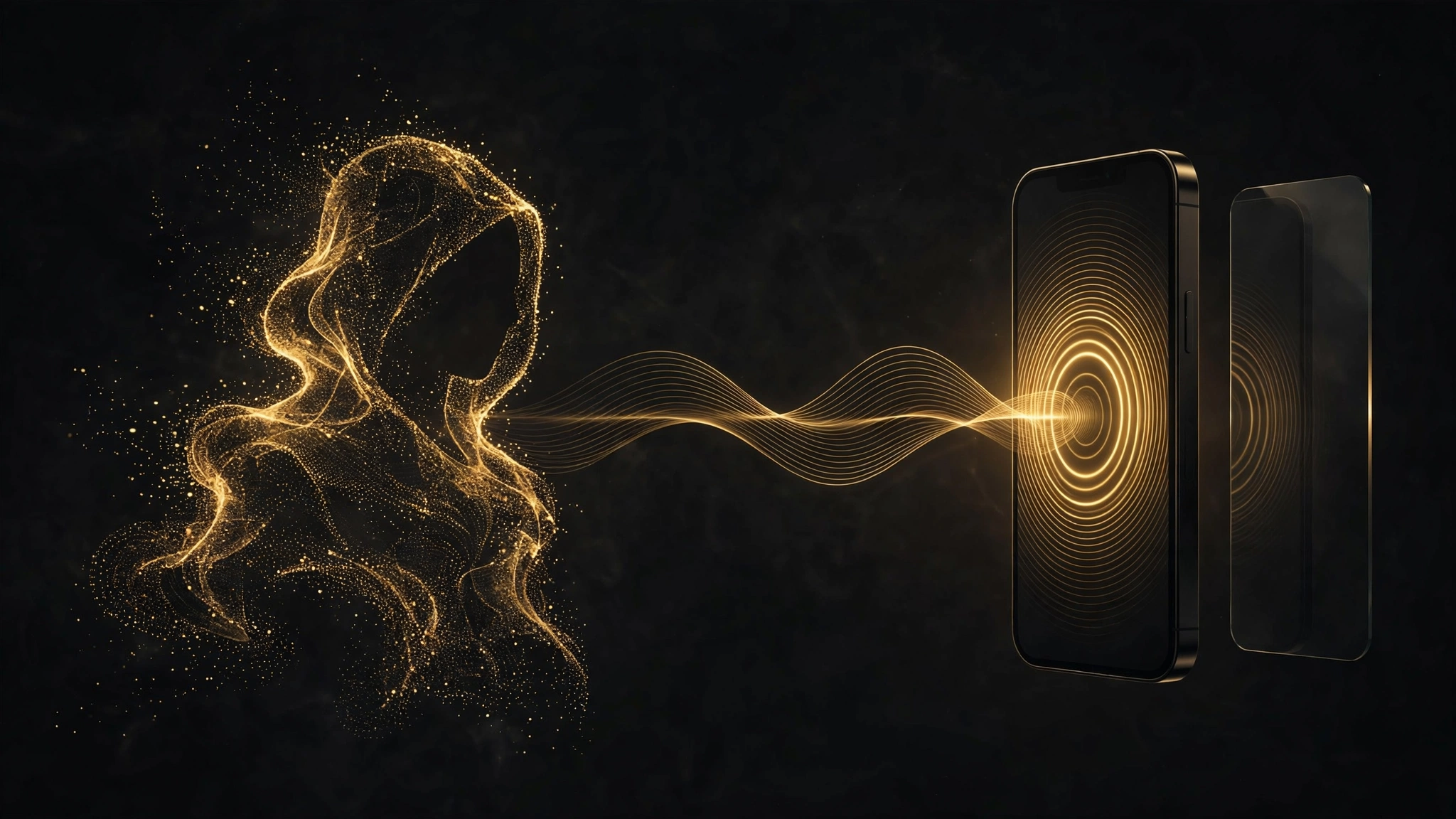
A video chat where the camera points one way
Calling this a video chat is generous in one specific direction. TechCrunch, reporting the rollout on November 5, notes that Meta's Muse does not actually see the user. It hears them, and reacts based on the conversation. The video is generated output on your screen, not a two-way feed.
That distinction matters for how the feature should be judged. The avatar's nods and expressions are not responses to your face. They are a performance generated from the same speech stream that produces the voice, which is why Meta's own post describes the avatar reacting "while you talk" rather than while it watches. TechCrunch's reporting describes the avatar as hearing the user without actually seeing them. That means its expressions are generated from the conversation rather than from visual reactions to the user's face. It is a voice conversation with a live animated face attached, not a conventional two-way video call.
The face itself is customizable. At Connect, Meta showed avatars built from a portrait, an illustration, an animal or an everyday object. Users can choose how present the avatar is, from voice only to full screen.
From September preview to November rollout
The feature has had three distinct public stages. The first was the Connect preview on September 23, when Meta Superintelligence Labs published the research behind Muse Realtime Avatar and gave no date. The second was quieter: third-party tracking reports, including TestingCatalog sightings recorded from October 24, indicated that voice conversations were appearing for some users, with the same "Give your Muse a voice" onboarding wording Meta used today. Meta never announced that partial rollout. The third is the November 5 post, which is the first time Meta itself has said the feature is available, and then only for the US.
The pattern is worth noticing because it is becoming the normal shape of AI consumer launches: a stage demo, an unannounced appearance for some users, and a blog post weeks later that presents the third step as the launch. Anyone who tried the feature in late October was using a product its maker had not yet said existed.
The impressive numbers are September numbers
Meta's September 23, 2026 research post—not its November 5 launch announcement—is the source of the performance figures circulating alongside this release. That post reports the avatar streaming 448×768 portrait video at 25 frames per second, with about 870 ms from the end of a user's turn to the first byte of the synced voice-and-video reply, and up to 12 concurrent real-time sessions on a single NVIDIA GB200 after an 8× serving-capacity gain over its baseline. It also reports human raters preferring Muse's avatar over Runway Characters by 78 to 22 and over HeyGen LiveAvatar by 88 to 12, while noting the mannerisms difference against Runway was not statistically significant.
None of that was re-measured for November. Meta's launch post contains no latency figure, no resolution and no concurrency claim. The research numbers describe what Meta's serving stack did in September tests on data center hardware. These are company-reported September research results, not independently measured November launch benchmarks. They offer a reference for the engineering work, but do not establish what a US user receives in production today.
One detail from the research post does carry into the product: the avatar video is generated, and Meta embeds its invisible Video Seal watermark throughout it.
What is still missing
Meta's November 5 announcement specifies no price, usage limits or international rollout schedule. Meta says voice for AI Glasses and the Muse Charm device is "coming soon." Separately, TechCrunch reports that the Charm is planned before the end of 2026. Meta has not provided that year-end timing in its November 5 announcement. Countries beyond the US are not mentioned. For a feature built around long, open-ended conversation with an agent that also works on your tasks in the background, the unanswered questions are the practical ones: how long a call can run, what it costs Meta to serve, and what happens to the conversation record afterwards. None is addressed in the launch post.
Sources
- [1] Meta (primary), "Give Your Muse a Voice", Meta Newsroom, November 5, 2026 (read first-hand in full at Gate 1: rolling out in the Muse app on mobile, web and Mac, started by tapping the phone icon; avatar expressions and gestures matched to the tone of the conversation; voice only, alongside or full-screen presence; hundreds of voices, changeable at any time; interruptions supported; Muse works while you talk; US to start; voice on AI Glasses and Muse Charm "coming soon"; no price, usage limits or performance figures)Read source
- [2] Meta Superintelligence Labs (primary), "Bringing Your Muse to Life", Meta AI Research, September 23, 2026 (read first-hand in full at Gate 1: audio-driven Diffusion Transformer conditioned on the speech-token stream; 448×768 portrait video at 25 fps; approximately 870 ms from the end of a user's turn to the first byte of the synchronized voice-and-video response; serving capacity up 8x relative to the two-step BF16 baseline, enabling 12 concurrent real-time sessions on a single GB200; preference chart reporting 78 to 22 against Runway Characters and 88 to 12 against HeyGen LiveAvatar, with the post's text confirming raters preferred Muse overall and across every evaluated dimension and the mannerism comparison against Runway Characters not statistically distinguishable from parity; Meta Video Seal embeds a durable, invisible watermark throughout generated video)Read source
- [3] TechCrunch, "Meta says US users can now video chat with their Muse AI avatar", November 5, 2026 (read first-hand in full at Gate 1: Muse Voice available to everyone in the US; Muse "doesn't actually see" the user but hears them and reacts based on their conversations; the Muse Charm wearable is planned before year-end; support to come later for AI Glasses)Read source
- [4] The Digital Gal, "The Muse Updates Ledger", entry of October 24, 2026 (read via search extract: live voice conversations spotted rolling out to users from October 24 with "Give your Muse a voice" onboarding, sourced to TestingCatalog reporting via FourWeekMBA, October 26; no official Meta announcement at that time)Read source