Start with the other number
The headline writes itself. CNY 22 billion in five months, up 138% year over year, full year forecast at CNY 40 billion. ByteDance's Hongguo short-drama platform at 168 million daily users, ahead of iQIYI, Tencent Video, Youku and Mango TV combined. During the National Day holiday, screens across China played AI content wall to wall, on average one per every two rows of seats on the high-speed rail. One new AI short drama released every 36 seconds in July.
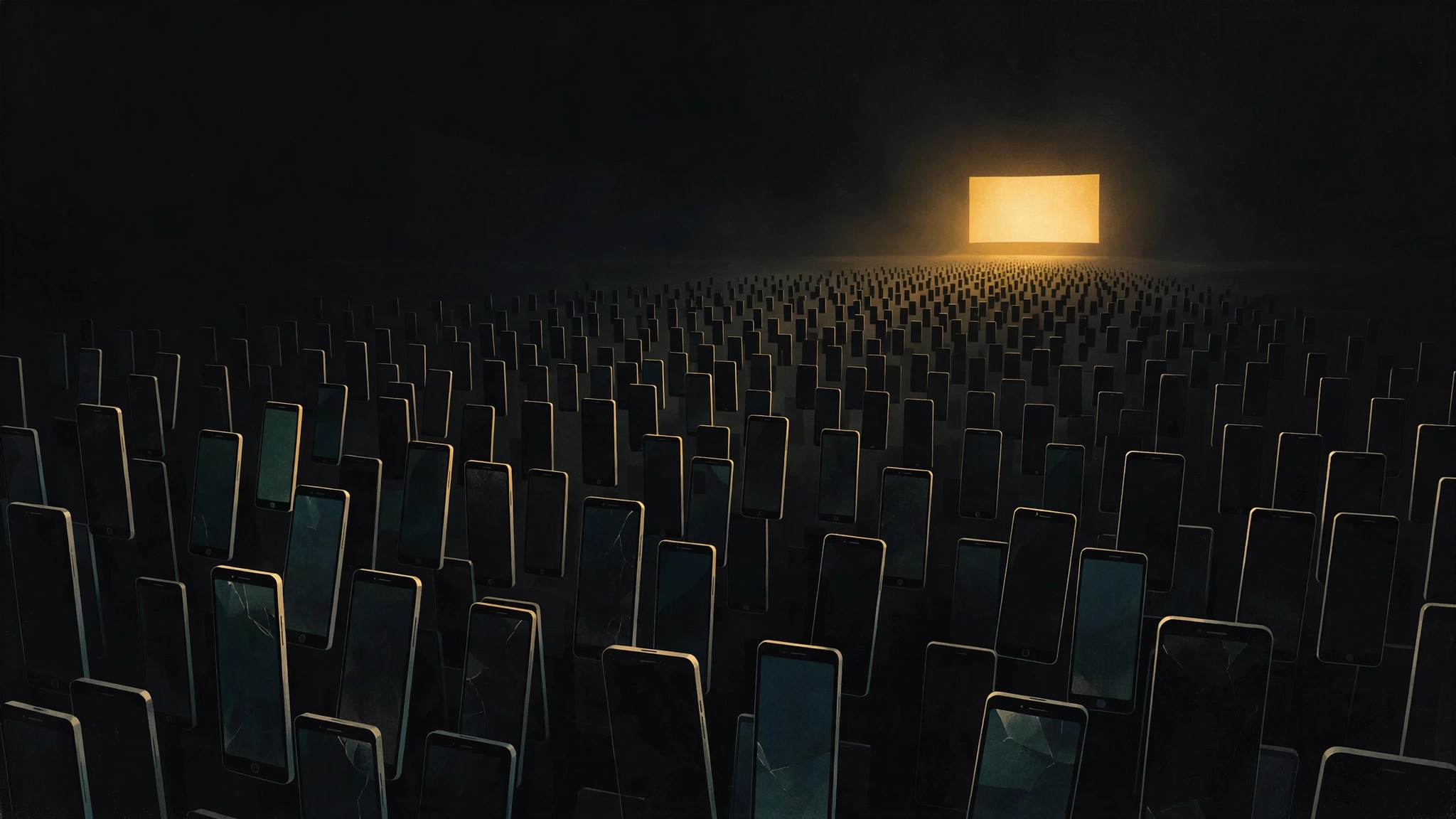
Then the other number, from the same DataEye H1 2026 report: only 1.3% of titles ever clear the 50-million-view break-even line. Of 221,900 AI shows launched on Douyin in the first half, just 1,055 crossed 100 million views. 98.7% never recoup their costs within six months. Roughly one in 77 makes money.
Why cheap didn't pay
AI cut short-drama production costs by 80 to 90%, from roughly CNY 1 million per title to under CNY 100,000, with some productions running a few hundred yuan per minute. The problem: everyone got the same discount. Revenue per 10,000 views halved in a year, from 30–100 yuan to 5–10 yuan. Traffic acquisition now eats 70 to 90% of revenue. Mature ad teams report ROI of barely 1.03 to 1.07; everyone else sits under 0.8. Platforms have noticed the oversupply: daily registrations are reportedly being cut from over 2,000 titles to about 300. Wang Qifan, a scriptwriter who moved from live-action to AI-simulated characters this year, put it plainly: what matters is still the part where humans inject soul into the work. Viewers agree. The complaints repeat: recycled plot formulas, near-identical AI faces, stories thin enough to feel slow even at 2x speed.
The escape hatch is the cinema
So where does AI video actually win? Not in volume. Bona Film Group's Sanxingdui: Future Past, the 100-minute AI-produced feature opening in cinemas on October 23 with a public-screening licence from China's National Film Administration, took two years, 1.2 million source images, more than 100 full-film iterations, and a 100-person team keeping creative direction in human hands. Its shares hit the daily limit-up the morning after the release date was announced. The first fully AI-generated broadcast series, Hunan TV's Journey to the West: The Sequel, drew viewers who praised feature-film visuals and complained the plot felt like a padded short drama.
The pattern holds across the industry. AI solved production; attention was always the real bottleneck, and it just got narrower. When making something costs nothing, the only thing left worth paying for is a story worth sitting still for.
Sources
- [1] BigGo Finance — AI drama market and DataEye profitability figuresRead source
- [2] Newsy Today — China's AI micro-drama boom and profitabilityRead source
- [3] eWeek — ByteDance Hongguo and China's short-drama marketRead source
- [4] Slop TV News — Sanxingdui: Future Past releaseRead source
- [5] The World of Chinese — China's AI micro-drama economyRead source